
Global Blender Market: Regional Hotspots & Local Applications
Explore how blender demand and applications differ across North America, Europe, and Latin America—and what brands should prioritize for each market.
The global blender market continues to expand, driven by rising health consciousness, busy urban lifestyles, and the growing popularity of plant-based diets. While demand spans the globe, specific regional markets stand out for their high adoption rates and distinct usage patterns across both household and commercial sectors.
1. North America: The Health & Wellness Hub
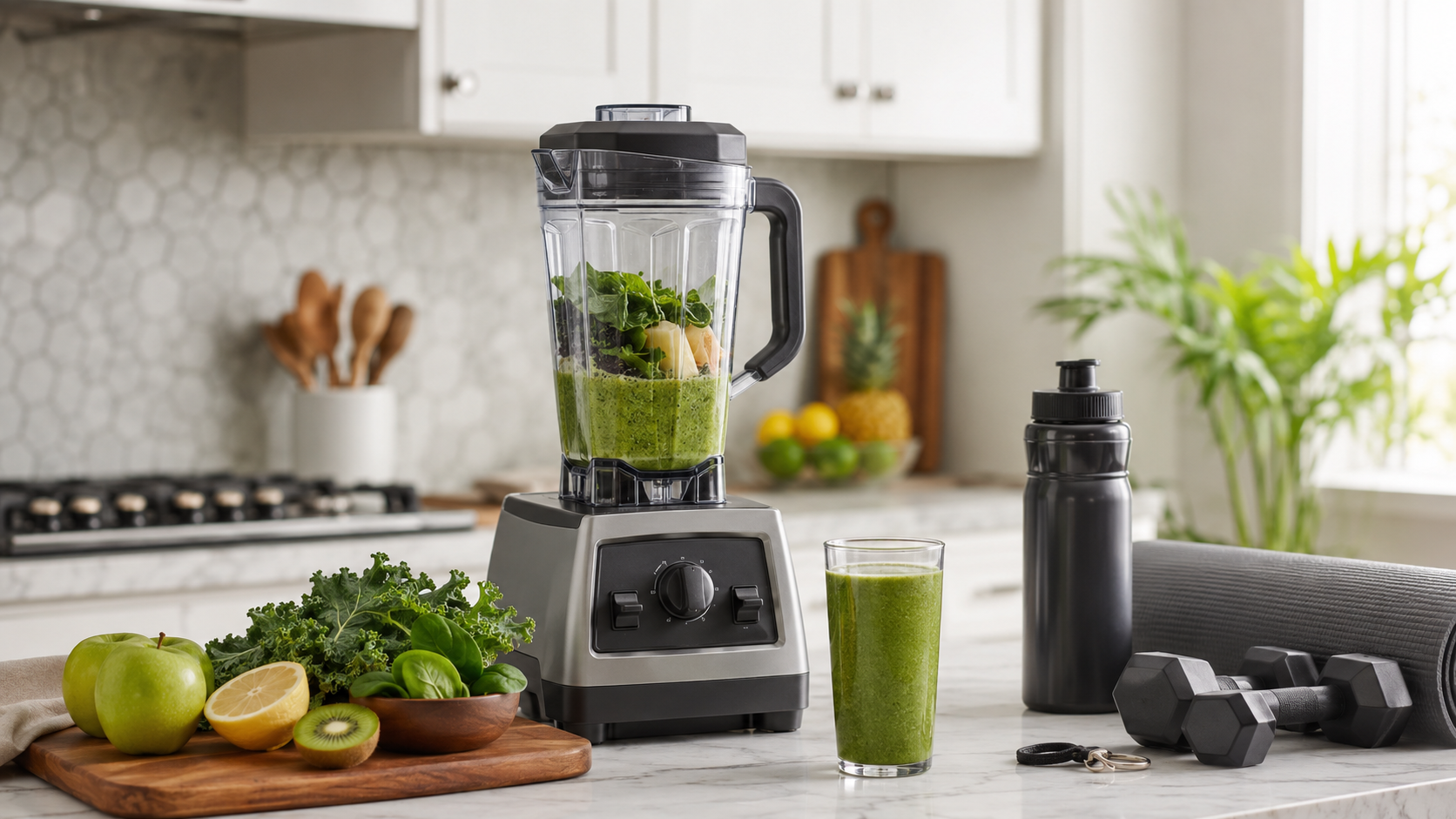
North America—led by the United States and Canada—remains one of the largest and most dynamic markets for blenders.
Household Applications: Consumers rely heavily on high-speed tabletop and personal blenders for daily health routines. Primary home uses include morning green smoothies, post-workout protein shakes, homemade nut butters, pureed vegetable soups, and fresh baby food. Compact, portable blenders are also immensely popular among commuters and fitness enthusiasts.
Commercial Applications: Blenders are essential operational tools for juice bars, gym nutrition counters, smoothie chains, and fast-casual eateries. Commercial-grade units run continuously throughout the day to crush hard ice, blend frozen fruits, and mix specialty iced coffee drinks.
2. Europe: Culinary Precision & Artisanal Food Prep
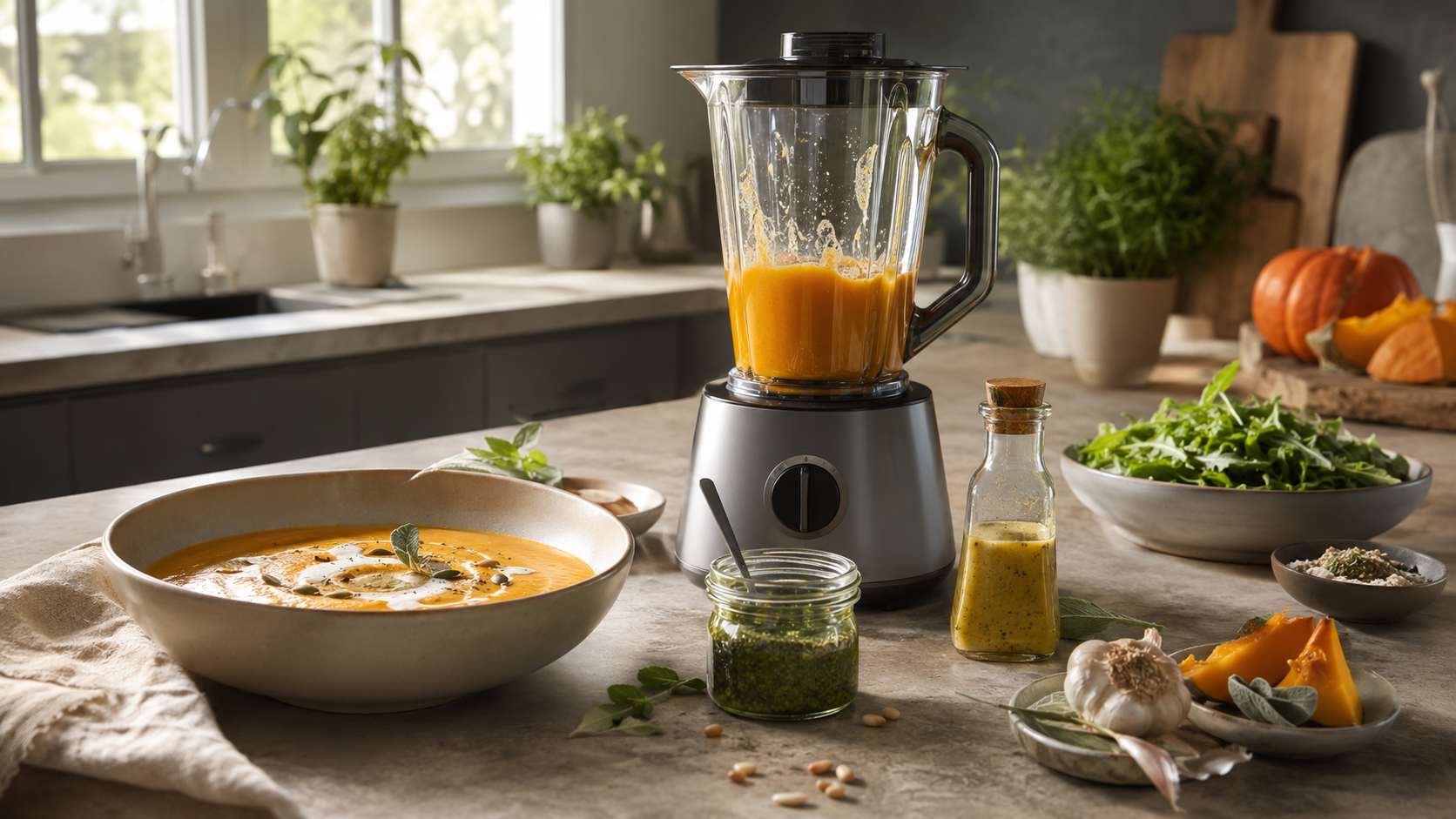
In key European markets such as Germany, the UK, France, and Italy, blender demand is fueled by a rich culinary tradition and an emphasis on fresh, home-cooked meals.
Household Applications: European households frequently use blenders for culinary food preparation rather than just beverages. Common uses include crafting velvety vegetable soups (such as gazpacho or pumpkin soup), emulsifying salad dressings, grinding fresh pestos, and making homemade plant-based milks (oat, almond, and soy).
Commercial Applications: Cafes, bistros, and cocktail bars utilize commercial blenders for craft cocktails, frozen beverages, fine-dining sauce reductions, and house-made dips requiring ultra-smooth textures.
3. Latin America: Tropical Juices & Heavy-Duty Kitchen Prep
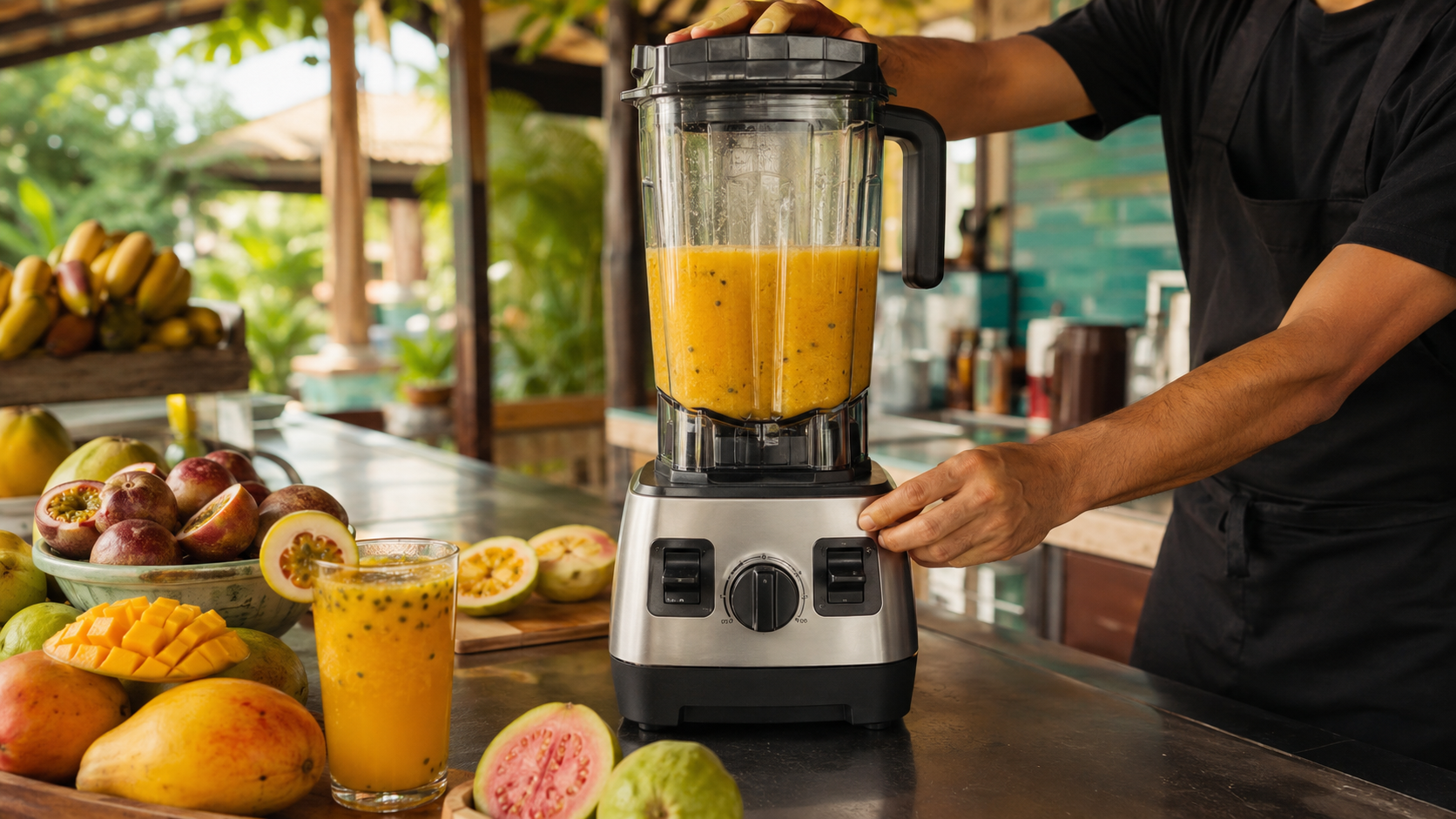
Countries like Brazil and Mexico represent highly active markets where blenders are a central feature of daily food culture.
Household Applications: In Latin American homes, the blender is an essential daily appliance. It is primarily used to process fresh tropical fruits—such as açaí, passion fruit, guava, and mango—into natural fruit juices, as well as blending fresh salsa ingredients, chili pastes, and marinades for traditional cooking.
Commercial Applications: Local sucos (juice bars), street-food vendors, and traditional restaurants rely heavily on high-capacity, durable commercial blenders built to handle continuous ice crushing and tough tropical fruit pulps.
Conclusion
Understanding these regional preferences enables manufacturers and brands to tailor product design—such as motor power, noise-reduction technology, blade durability, or portability—to meet localized consumer demands. As global wellness trends continue to spread, the versatility of blenders ensures their vital place in both residential kitchens and professional food establishments worldwide.